 WhatsApp
 Call Now
Osteomyelitis of the Maxilla Following Tooth Extraction in a Patient with Paget’s Disease: A Rare Diagnostic Challenge
February 16 2026
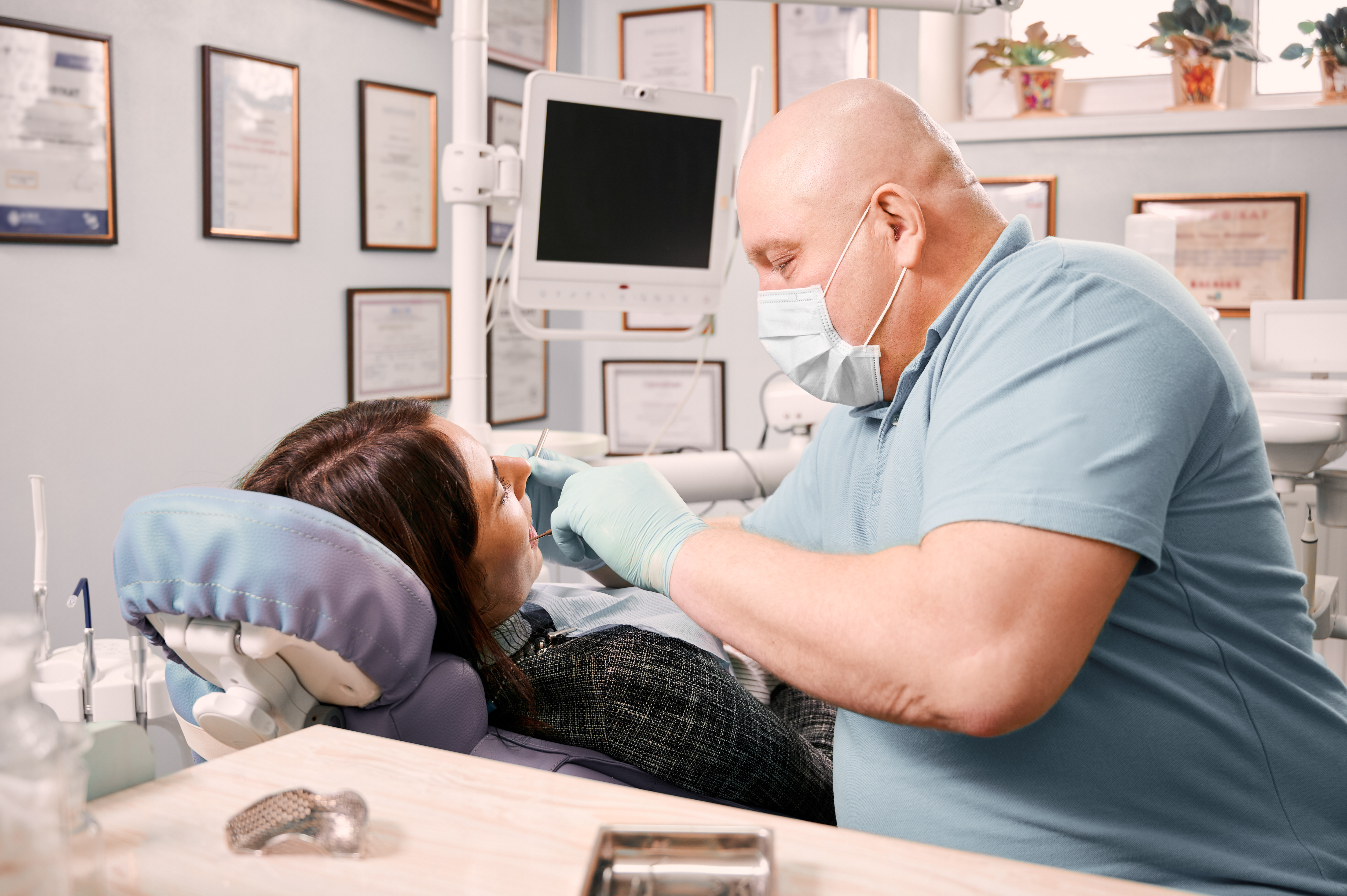
Osteomyelitis of the maxilla is an uncommon condition in modern dental practice. Due to the rich blood supply of the upper jaw, infections rarely progress to bone involvement. However, when osteomyelitis occurs in patients with underlying systemic bone disorders such as Paget’s disease, diagnosis and management become significantly more complex.
This article discusses a rare case of osteomyelitis of the maxilla developing after tooth extraction in a patient previously diagnosed with Paget’s disease, highlighting the clinical risks, radiographic features, and preventive considerations.
What Is Osteomyelitis?
Osteomyelitis is an inflammatory infection of bone that begins in the medullary cavity and spreads through the Haversian system to involve the cortical bone and periosteum. Although it commonly affects long bones, involvement of the maxilla is rare because of:
-
Extensive collateral blood supply
-
Thin cortical bone
-
Porous architecture
-
Limited medullary spaces
When the maxilla is affected, the infection may extend to adjacent vital structures, including the orbit and cranial cavity, making early detection and aggressive treatment critical.
Paget’s Disease and Its Impact on Bone
Paget’s disease, also known as osteitis deformans, is a chronic skeletal disorder characterized by excessive and disorganized bone remodeling. It was first described by Sir James Paget in 1877.
In Paget’s disease:
-
Bone resorption is followed by abnormal bone formation
-
Bones become enlarged but structurally weak
-
Hypercementosis around teeth is common
-
Healing capacity is reduced
-
Bone becomes brittle and more vascular
These changes make routine dental procedures, particularly tooth extractions, more complicated and potentially traumatic.
Why Extraction Becomes Risky in Paget’s Disease
Patients with Paget’s disease often present with hypercementosis, making tooth removal difficult. During extraction:
-
The alveolar bone may fracture
-
Excessive bleeding may occur
-
Healing may be delayed
-
Infection risk increases
Because bone turnover is abnormal and healing is compromised, the extraction socket becomes vulnerable to microbial invasion, potentially leading to chronic osteomyelitis.
Case Summary
A 69-year-old male presented with persistent pain and swelling in the right upper back tooth region for 18 months.
Medical Background:
-
Previously diagnosed with Paget’s disease
-
History of dysphagia and ear pain
-
Underwent extraction of upper right third molar
-
Post-extraction swelling and pus discharge
-
Persistent dull, continuous pain
-
Poor glycemic control (diabetic status)
Clinical Findings:
-
Facial asymmetry
-
Diffuse hard swelling on the right side of the face
-
Exposed necrotic bone intraorally
-
Wound dehiscence in the posterior maxilla
-
No active pus discharge at presentation
The patient had difficulty chewing on the affected side for several months.
Radiographic and Diagnostic Findings
Advanced imaging played a key role in confirming the diagnosis.
Cone Beam CT (CBCT):
-
“Cotton wool” appearance typical of Paget’s disease
-
Mixed radiolucent and radiopaque areas
-
Presence of sequestrum (dead bone)
-
Involucrum formation
-
Significant bony thickening
CT Scan of Skull:
-
Irregular cortical thickening
-
Sclerotic and lucent areas
-
Thickened trabeculae
Bone Scintigraphy:
-
Increased tracer uptake in the right maxilla
-
Evidence of active inflammation
-
Diffuse involvement of skull bones
These findings confirmed osteomyelitis of the maxilla in association with Paget’s disease.
Microbiology and Risk Factors
Maxillary osteomyelitis is usually polymicrobial. Common organisms include:
-
Staphylococcus aureus
-
Streptococci species
-
Peptostreptococci
-
Escherichia coli
-
Bacteroides
Systemic conditions such as diabetes further increase susceptibility due to:
-
Reduced immune response
-
Compromised blood supply
-
Impaired wound healing
Poor glycemic control significantly contributes to chronic infection persistence.
Potential Complications
If left untreated, maxillary osteomyelitis can spread to:
-
Paranasal sinuses
-
Orbit
-
Cranial cavity
-
Brain
Such complications may become life-threatening. Therefore, early diagnosis and intervention are essential.
Management Considerations
In this case, surgical sequestrectomy under general anesthesia was advised but declined by the patient.
Preventive and Therapeutic Recommendations:
-
Thorough medical history evaluation
-
Preoperative radiographic assessment
-
Atraumatic extraction techniques
-
Antibiotic coverage
-
Removal of sharp bony spicules
-
Primary wound closure
-
Strict diabetic control
-
Close postoperative monitoring
In patients with Paget’s disease, careful surgical planning is mandatory to prevent complications.
Clinical Takeaways
-
Osteomyelitis of the maxilla is rare but serious.
-
Paget’s disease increases the risk of post-extraction complications.
-
Diabetes worsens healing outcomes.
-
Radiographic evaluation is critical before dental extractions in medically compromised patients.
-
Multidisciplinary care improves prognosis.
Conclusion
Osteomyelitis of the maxilla secondary to extraction in a patient with Paget’s disease represents a rare yet significant clinical challenge. The abnormal bone remodeling, increased vascularity, and delayed healing associated with Paget’s disease create an environment where minor trauma can lead to severe infection.
This case reinforces the importance of careful diagnosis, atraumatic surgical techniques, antibiotic support, and aggressive management to prevent serious cranial complications.
Specialized dental care with advanced diagnostic support and strict sterilization protocols is essential when treating medically compromised patients.
At Smile-n-Shine Clinic, Kakkanad, Kochi, patient safety and ethical dental practice remain the highest priorities. As a premier dental clinic offering both general and cosmetic dental treatments, the clinic follows European sterilization standards and incorporates modern technology to ensure precision, safety, and excellence in care. By understanding each patient’s concerns and customizing treatment plans accordingly, Smile-n-Shine is committed to transforming smiles while preserving oral health and confidence.